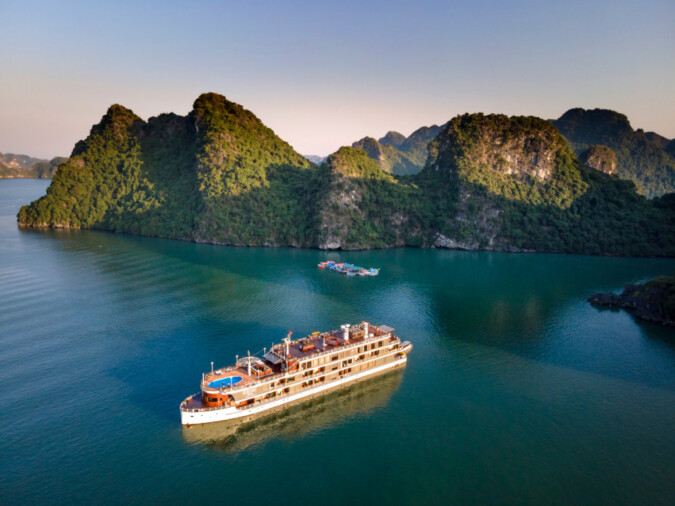
Halong Bay, Vietnam’s most iconic seascape is finally getting the full destination treatment. Here’s why now is the time to go.
Halong Bay is a UNESCO World Heritage Site. It covers 1,553 square kilometres of water and contains nearly 2,000 islands and islets. Many of these are hollow, riddled with caves and secret lagoons that take days, not hours, to properly explore. The floating villages alone deserve a full afternoon. The food deserves longer. And the sunrises? Don’t even get us started.
Getting There Just Got a Lot Easier
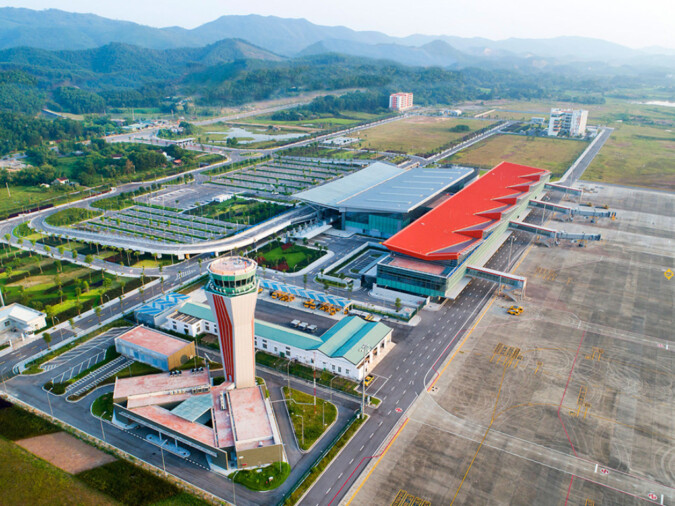
The traditional road route to Halong Bay from Hanoi took around four hours each way, which ate into the limited time most people had there in the first place.
That’s changed significantly. The opening of Van Don International Airport means the bay is now directly accessible without the overland grind. A new expressway from Hanoi has considerably reduced road travel time, too.
The knock-on effect has been dramatic: Halong Bay welcomed 8.2 million tourists in 2025, a staggering 91% increase over pre-pandemic figures. The destination is having a moment, and the infrastructure is finally in place to support it.
What to Do Once You’re There
Go Beyond the Cruise

The “stay and cruise” model isn’t going anywhere, we’re delighted to report.
Gliding between the karsts on a traditional junk boat at dusk, watching the limestone formations turn amber in the fading light, is an unmissable experience. But limiting yourself to that is like visiting Kyoto and only seeing the airport.
Halong Bay’s real character lives in its caves, hidden lagoons and floating fishing villages. Hang Sửng Sốt (Surprising Cave) is vast enough to swallow a football stadium whole. Kayaking into a still lagoon completely enclosed by limestone walls, where the only sound is water, could just be the reset you need.
If you have more than two days, push further out to Bái Tử Long Bay to the northeast. This area is less visited, equally stunning, and far more likely to have stretches of water entirely to yourself.
Eat the Seafood. All of It.
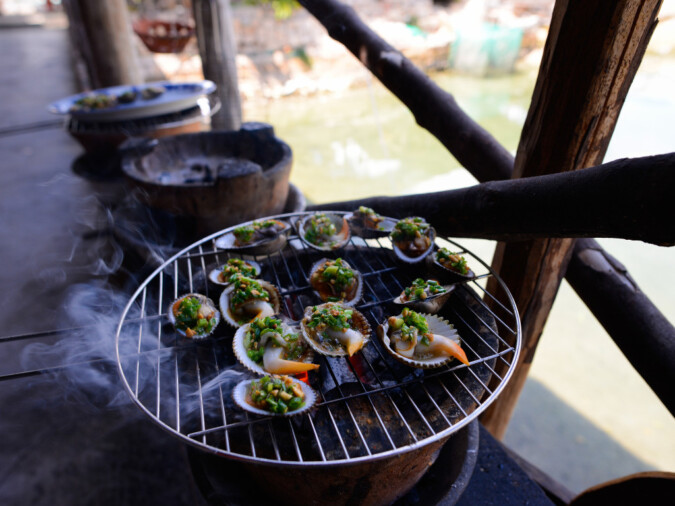
Halong Bay’s local food scene is centred on what comes out of the water.
Mantis shrimp, squid, oysters, and clams are pulled fresh and usually cooked simply: grilled, steamed, or thrown into noodle soups that will ruin all other noodle soups for you. The floating markets and small restaurants along the waterfront in Halong City are where you want to eat.
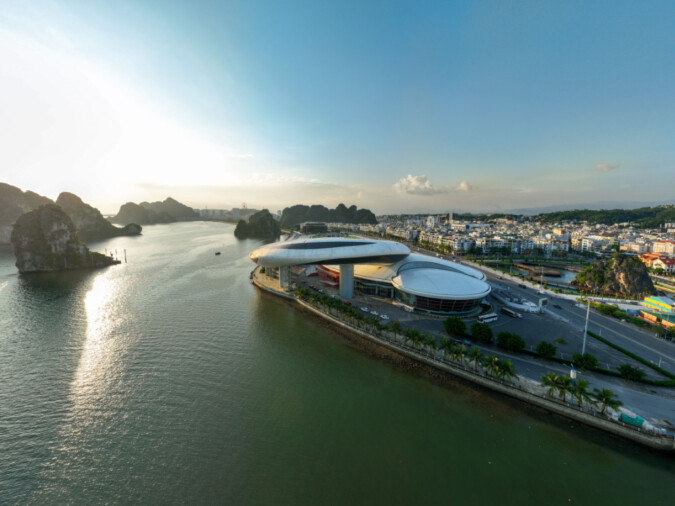
The destination has recently added more serious fine dining to the mix too. Yulong Mansion, the new Cantonese restaurant at InterContinental Halong Bay Resort, is led by Head Chef Kan. He’s a Southern Chinese native who has spent 27 years cooking in Vietnam and brings that cross-cultural fluency to every dish. The signature 42-day pinewood-roasted Peking duck alone is worth making a reservation for.
Also worth knowing: Roku, the resort’s 10th floor Japanese restaurant and sky bar, has just been reimagined by Chef Andy Huynh, one of Vietnam’s most respected culinary names and a 15-year Nobu veteran. It’s the kind of culinary pedigree you’d expect in Hanoi or Ho Chi Minh City, now available with Halong Bay views.
Find a Beach
This surprises people, but Halong Bay has beaches, and they tend to be quiet. Tuan Chau Island is the most developed, but the real gems are the smaller beaches tucked into the bay that you can only reach by boat. Most cruise operators can point you to the right ones.
Where to Stay
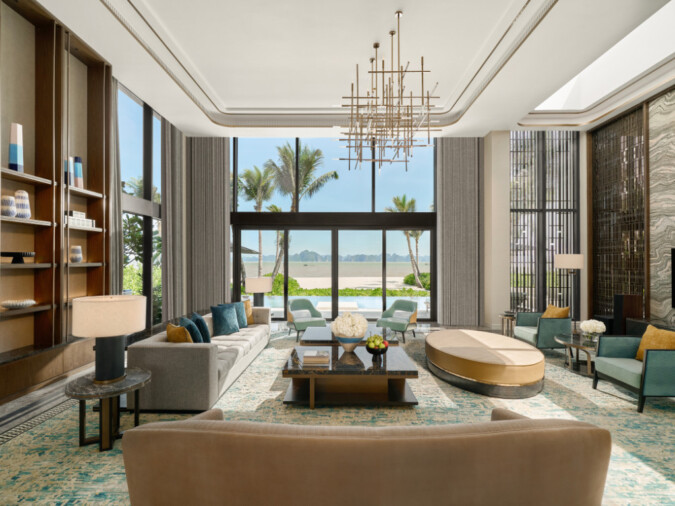
The accommodation landscape in Halong Bay has historically been a weak point. This could be why the traditional model of sleeping on a boat made so much sense. That’s changed with the arrival of InterContinental Halong Bay Resort, the region’s first international luxury beachfront hotel.
The resort sits directly on a sandy beach with unobstructed views of the bay. Beyond the rooms and villas, what makes it worth knowing about is the Halong Bay Estate villa. This is a six-bedroom beachside property with its own infinity pool, private cinema, gym, spa, and a dedicated chef.
At USD 9,600++ per night, it’s not a budget consideration, but for a group celebration, family gathering, or corporate retreat, the maths starts to work differently. Split it across six bedrooms and factor in what you’d spend across multiple hotel rooms elsewhere.
174 rooms and suites, 60 residences, 41 private villas, three pools, a spa, and the aforementioned restaurants. For those not booking the whole villa, the resort’s standard rooms and suites make it a base for exploring the bay without the constraints of a boat schedule dictating your day.
The Case for Staying Longer
Tourism numbers are surging, access is improving, and the hospitality infrastructure has levelled up considerably in Halong Bay.
But it hasn’t yet hit the kind of overcrowding that makes places like Phuket or Bali feel exhausting in peak season.
The travellers who will experience the best of Halong Bay in the next few years are those who treat it as a destination rather than a stopover. Give it three nights minimum. Get off the main cruise routes. Eat at the places without English menus. And watch at least one sunrise from a spot where the only other company is the sound of water against limestone.
Getting there: Fly into Van Don International Airport (direct routes available from several regional hubs), or take the expressway from Hanoi, around 2 hours.
Where to stay: InterContinental Halong Bay Resort — intercontinental.com/halongbay
When to go: October to April offers the most stable weather. Avoid the peak Chinese New Year and summer school holiday periods if you want the bay to yourself.