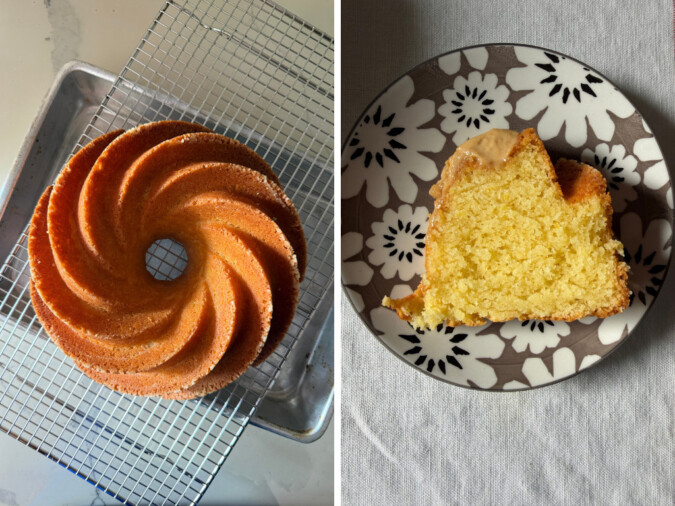
Lemon yoghurt cake, the easy way: One bowl, one whisk, zero glaze
This lemon yoghurt cake proves the best cakes aren’t fussy. Everything goes into one bowl, gets whisked by hand and bakes in a bundt tin. Olive oil keeps the crumb soft and adds a gentle fruity note. Pot set yoghurt brings tang and moisture that lasts for days. No glaze, no garnish. The golden, ridged crust does all the decorating.
We adapted our version from Donna Hay’s lemon and yoghurt cake. We swapped the vegetable oil for olive oil and used pot set yoghurt, and skipped the thyme and lemon drizzle.
[Jump to Recipe]
Here’s Why You Need to Make This Lemon Yoghurt Cake Right Now:
- One bowl, one whisk. No creaming butter, no electric mixer, no separating eggs.
- Olive oil over vegetable oil. It adds a rounder flavour and keeps the crumb tender for days.
- No glaze needed. The bundt tin gives it a showstopping shape all on its own.
Why olive oil works in a lemon yoghurt cake
Oil cakes are softer than butter cakes. Oil stays liquid at room temperature, so the crumb doesn’t firm up as it cools. Day two cake is just as tender as day one.
Lemon and olive oil are also a natural pair. The oil adds a subtle fruitiness. The cake tastes less like a sponge and more like something from a Mediterranean bakery.
Which olive oil should you use? A light or mild olive oil keeps things gentle. Extra virgin works too, but a peppery one will come through clearly. Love that grassy note? Go for it. Baking for fussy eaters? Keep it mild. This cake uses an extra virgin olive oil from Italy. Along with the tang of the lemon, we got a peppery flavour that was intensely savoury against the sourness of the lemon and yoghurt.
What is pot set yoghurt?
Pot set yoghurt is set directly in its tub, rather than stirred and then packed. The result is thick and spoonable, with a clean, tangy flavour. It’s slightly looser than strained Greek yoghurt, but thick enough to give the batter body.
Use plain, unsweetened yoghurt. Flavoured versions throw off the balance, and this cake is already plenty sweet.
Can you use Greek yoghurt instead? Yes. Greek yoghurt gives a slightly denser, richer crumb. Regular natural yoghurt works too, as long as it isn’t runny.
Love lemon desserts? Try our Limoncello Lemon Cake with Lemon Curd Glaze.
How to grease a bundt tin so your cake actually comes out
All those pretty ridges are perfect hiding spots for batter to cling to. Greasing it well makes a world of difference.
Grease right before filling. Mix the batter first, then grease the tin. Grease applied too early slides down and pools at the bottom.
Choose the right fat. Baking spray with flour is the easiest option. Melted shortening or a neutral oil, brushed on, also works well. Butter is less reliable, because its milk solids can act like glue.
Get into every crevice. Use a pastry brush to reach every groove, every ridge and the centre tube. Hold the tin up to the light to check for missed spots.
Add a barrier. If using plain oil or shortening, dust the tin with flour or a little sugar. Tap out the excess before adding the batter. This isn’t always recommended, as flour clumps can cling to the edges of the cake and remain uncooked. It’s not the worst situation, but it can be avoided if greasing carefully.
Time the flip. Rest the cake in the tin for 5 to 10 minutes before turning it out. Too soon and it may break. Too long and the sugars start to stick.
If it still sticks: Loosen the edges and centre tube with a thin, flexible spatula. Give the tin a firm tap, then flip. If a chunk stays behind, patch it back on. Nobody will ever know.
Do not overwork the batter
Once the flour goes in, switch from whisking to gentle mixing. Stop as soon as the dry flour disappears.
Overmixing a batter made with self-raising flour develops too much gluten. The result is a tough, bready cake instead of a tender one. A few small lumps are fine. They’ll disappear in the oven.
Frequently Asked Questions
Does olive oil make the lemon yoghurt cake taste of olive oil? Only slightly, and in a good way. Mild olive oil blends into the lemon. Extra virgin is more noticeable.
How do I keep a lemon yoghurt cake moist? The yoghurt and olive oil do most of the work. Avoid overbaking, and start checking at 50 minutes. Cover the cake once it has cooled.
Can I make this lemon yoghurt cake ahead of time? Yes. Store it covered at room temperature for up to 2 days, then refrigerate. Bring it back to room temperature before serving.
Can I reduce the sugar? Yes, a little. This isn’t a sweet cake to begin with, so depending on the type of olive oil you’re using, it’s best to stick to the measurements below. Also, sugar adds moisture and helps form that golden crust.
Can I bake this lemon yoghurt cake in a different tin?
Yes. This recipe makes about 1.3 litres of batter. Fill any tin no more than two-thirds full, as the cake needs room to rise. Bake at 160°C (325°F) and use the skewer test to check doneness.
Check your tin’s depth. Many 20cm round tins sold in Singapore and Australia are 7cm deep or more. A deep tin holds the full batter in one go. A shallow 5cm tin needs the batter split in two.
Loaf tins take longer. The loaf may need 55 to 65 minutes in total. If the top browns too quickly, cover it loosely with foil for the last 15 minutes.
Split batter bakes faster. Two shallow cakes cook much quicker than one deep one. Start checking early, as timings are a guide only.
Not sure of your tin’s capacity? Fill it with water using a measuring jug. Then multiply by two-thirds to find how much batter it can take.
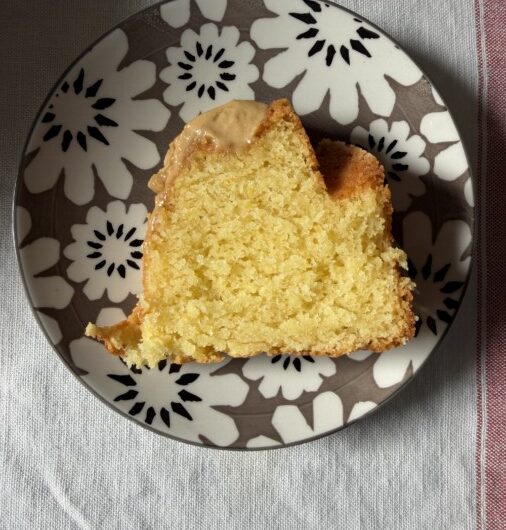
Lemon Yoghurt Cake with Olive Oil (Easy One-Bowl Bundt Recipe)
Course: DessertCuisine: WesternDifficulty: Easy10
servings10
minutes55
minutesYou’ll need;
180ml olive oil (we used extra virgin recommended)
2 eggs
Finely grated lemon zest of 1 Lemon
60ml lemon juice
280g pot set yoghurt, plain and unsweetened
385g caster sugar
300g self-raising flour
Baking spray with flour, for greasing (or melted shortening and a little flour)
You’ll need to;
- Preheat. Preheat the oven to 160°C (325°F). Have a 2.5 litre Bundt tin ready, but don’t grease it yet.
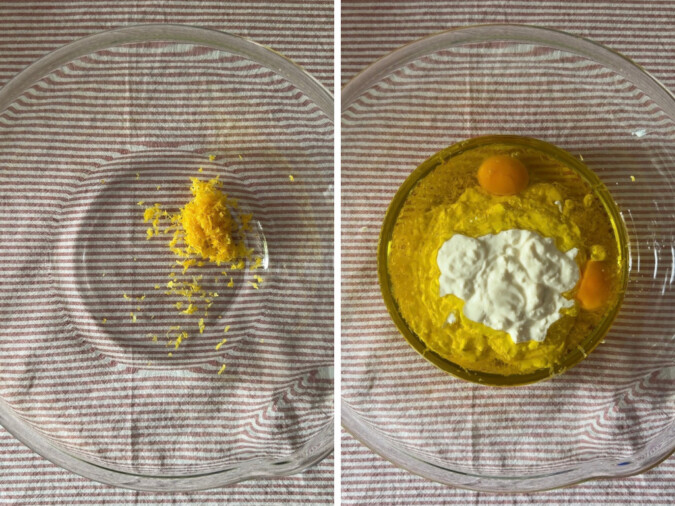
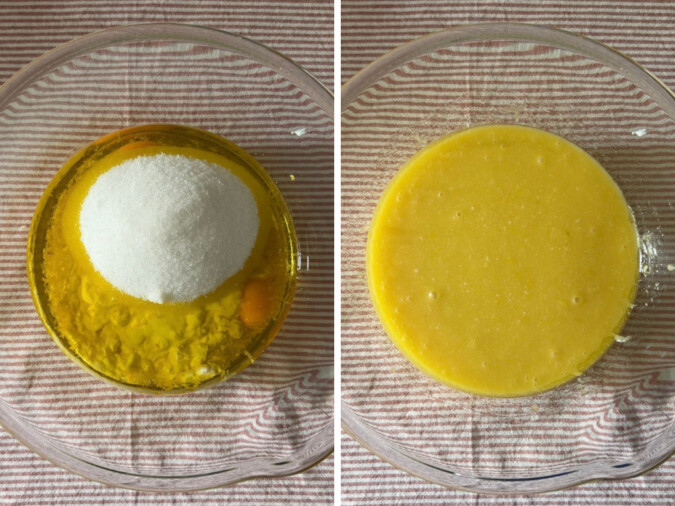
- Mix the wet ingredients. In a large bowl, whisk the olive oil, eggs, lemon zest, lemon juice, yoghurt and sugar until smooth.
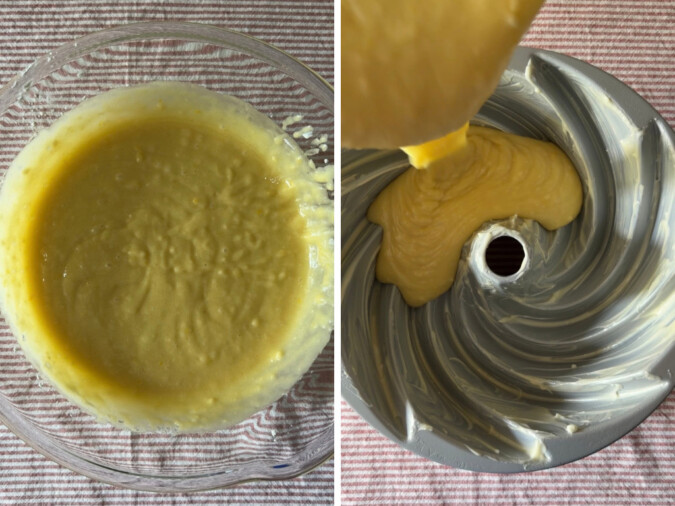
- Add the flour. Sift in the flour. Mix gently and stop once you can’t see any dry flour.
- Grease the tin. Coat every ridge and the centre tube thoroughly. (See notes.)
- Bake. Pour in the batter and smooth the top. Bake for 50 to 55 minutes. A skewer should come out clean or with a few moist crumbs.
- Cool and unmould. Rest the cake in the tin for 5 to 10 minutes. Loosen the edges, place a plate on top and flip confidently.
- Serve. Warm or at room temperature.
Notes
- Greasing the tin: Grease just before filling. Baking spray with flour is the most reliable option. Butter can make the cake stick.
- Unmoulding: Don’t let the cake cool completely in the tin. After 10 minutes, the sugars start to stick.
- Olive oil: Mild olive oil keeps the flavour gentle. Extra virgin adds a stronger, fruitier note.
- Yoghurt: Use plain, unsweetened pot set yoghurt. Greek yoghurt also works but gives a denser crumb.
- Storage: Cover and store at room temperature for up to 2 days, then refrigerate.