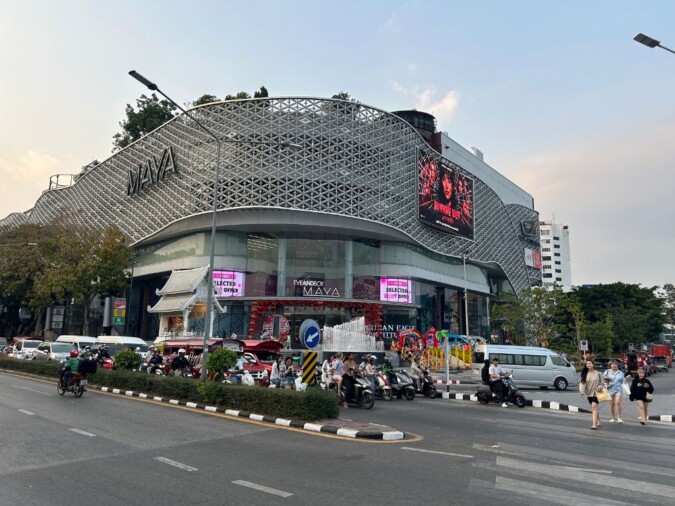
Chiang Mai is a gem in Northern Thailand, offering a unique blend of delicious cuisine, historic temples, and a relaxed atmosphere. Discover the best things to do and see in this charming city.
Chiang Mai feels like a time capsule compared to the relentless pace of Bangkok. I’ve been to Northern Thailand twice now. And each time, it feels like stepping back into the same familiar place; the same malls, night markets, winding streets, and ancient temples. The only thing that’s really changed is me.
Here’s what you can get up to the next time you find yourself in Chiang Mai:
Drink Coffee
Coffee is practically a way of life here. Chiang Mai is remarkably walkable, which makes cafe hopping one of the easiest and most enjoyable things you can do. Here are a few worth seeking out:
Groon Bread & Brunch
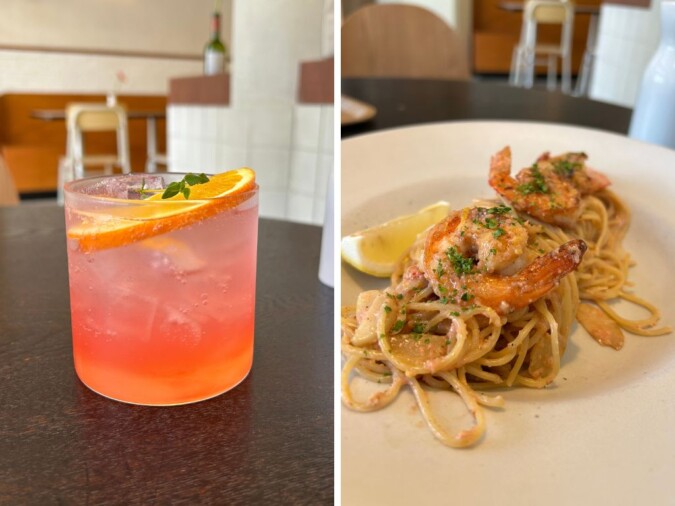
I ended up at Groon twice, and it delivered both times. It was conveniently close to where I was staying. So, naturally, it became my go-to spot while waiting for my room to be ready. I went for the Mentaiko Pasta; fantastic, and not something you’d expect to find in Chiang Mai. They also have a solid mocktail menu and a full brunch spread worth working through. As a bonus, there’s an ice cream parlour right next door for when you need something sweet after lunch.
Cafe Rosemary
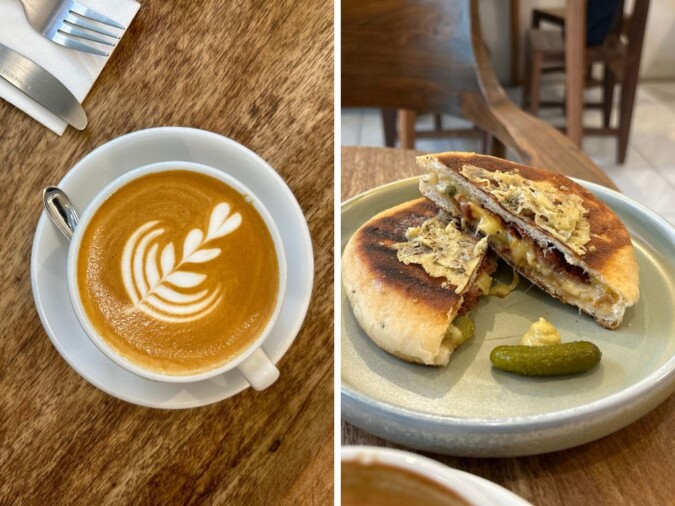
Blink and you’ll walk straight past this one. Cafe Rosemary is tucked into a mid-century shophouse. It’s easy to miss if you’re not paying attention, which is part of its charm. Their classic French toast with fresh tropical fruits is genuinely exceptional, and they also let you build your own breakfast, with vegan options available. I had a grilled cheese here, and it absolutely hit the spot.
Roast8ry Lab
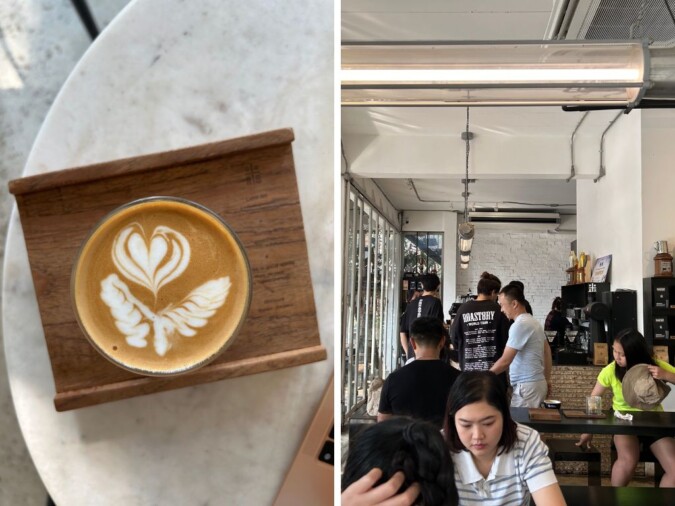
Roast8ry is well known across Thailand for its coffee, and visiting for the first time did not disappoint. Fair warning, though, this place gets packed, so going later in the day is your best bet if mornings are a struggle. I made it around 4pm and managed just fine. They have an outlet right in the heart of Nimman, plus a few others around the city. A quick Google search will point you in the right direction.
Huen Muan Jai
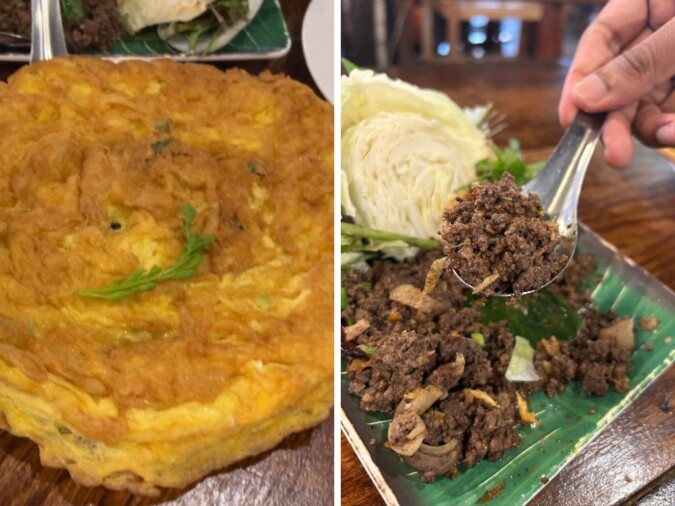
This is one of those classic Chiang Mai spots that tourists and locals alike keep coming back to, and it’s easy to see why. The place runs like clockwork; you’ll be asked to wait briefly at the door, then seated fairly quickly. I visited solo, so I kept it simple with an omelette and the Northern Duck Larb, which they’re well known for and absolutely lives up to the reputation. My only regret was not having more people with me to order a proper spread. Do yourself a favour and bring a group because you’ll want to work your way through the menu.
Cultural Places
One of my favourite things to do in any Thai city is simply walk; no plan, no map, just letting my feet decide. Chiang Mai rewards that kind of wandering beautifully. But if you want a more structured cultural experience, here are the places worth putting on your list:
Doi Suthep Temple
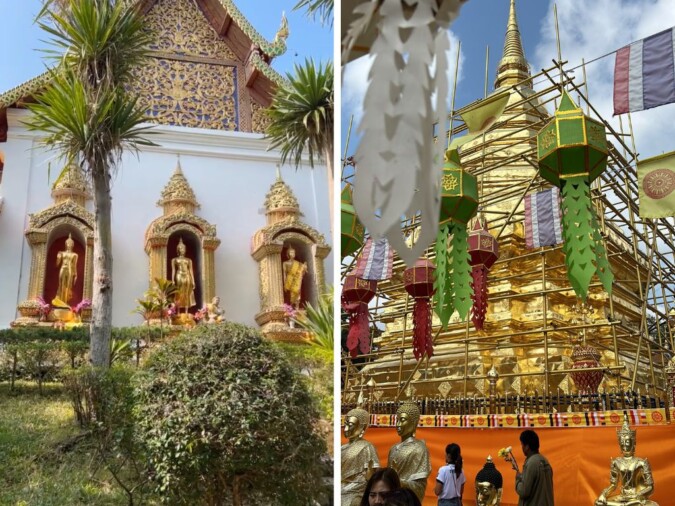
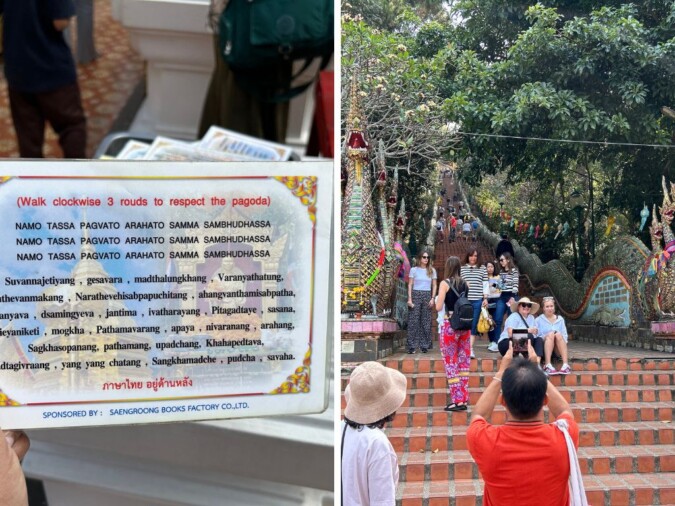
Getting here without a pre-booked tour takes a little more effort, but it’s very doable. I took a bike taxi (easily booked through the Grab app, very common in Chiang Mai) to Chiang Mai University, where a handful of Song Taews wait to ferry people up Doi Suthep mountain for around 50 THB return. They’ll drive you up, wait about 30 minutes to an hour, then bring you back down to the university, from where you’ll need to make your own way back into the city.
The Temple Complex
Wat Phra That Doi Suthep sits perched on the mountain and is one of the most iconic temples in all of Thailand. The golden pagoda is stunning, the views over the city are sweeping, and the 306-step Naga staircase leading up to the complex is as dramatic as it sounds. It’s open daily from 6:00 AM to 8:00 PM, entry costs around 30–50 THB, and there’s a funicular if the stairs aren’t your thing.
The Old City Chiang Mai
The Chiang Mai Old City is a 13th-century walled square surrounded by a moat, and it functions as the cultural heart of Northern Thailand. It’s packed with over 100 temples, markets, cafes, and guesthouses and it’s one of the most walkable areas you’ll find anywhere in the country. If you’re in Chiang Mai on a Sunday, the Walking Street market here is not one to miss.
Doing a Temple Tour in the Old City
I booked this through Klook and was really glad I did. The meeting point is at the Three Kings Monument in the centre of the old city, after which a guide takes you through several temples one by one. It makes for brilliant photos and gives you just enough context about each place without being overwhelming.
Three Kings Monument
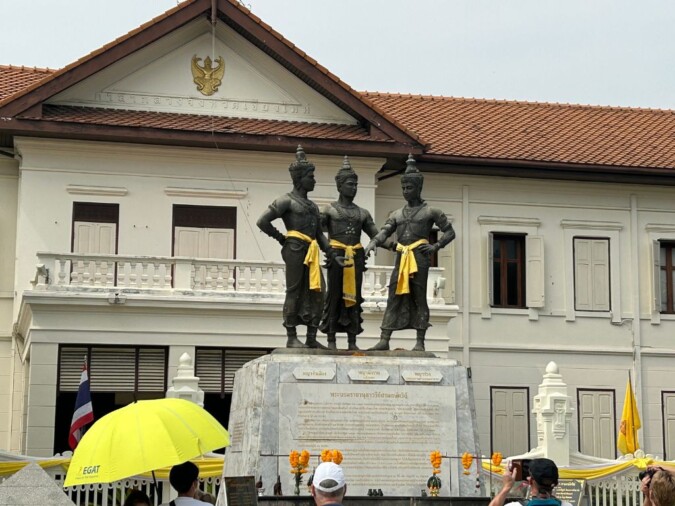
The Three Kings Monument honours the three Lanna kings who founded Chiang Mai; King Mengrai, King Ramkhamhaeng, and King Ngam Muang. Erected in 1984, the bronze statues depict all three in 14th-century attire, with King Mengrai at the centre. The monument sits on the site of the former royal palace and remains a place where locals come to pay their respects to the founders of the Lanna kingdom.
Wat Chedi Luang
Wat Chedi Luang is hard to miss and impossible to forget. Its massive 14th-century chedi, once the tallest structure in Chiang Mai, is partially ruined from a 16th-century earthquake, which somehow makes it even more impressive. The Emerald Buddha (now housed in Bangkok’s Wat Phra Kaew) was kept here from 1468 to 1551; a black jade replica now sits in its place. The temple also runs a “monk chat” programme where visitors can speak with monks about Buddhism, making this genuinely one of the more memorable things you can do in the city.
Wat Phra Singh Woramahawihan
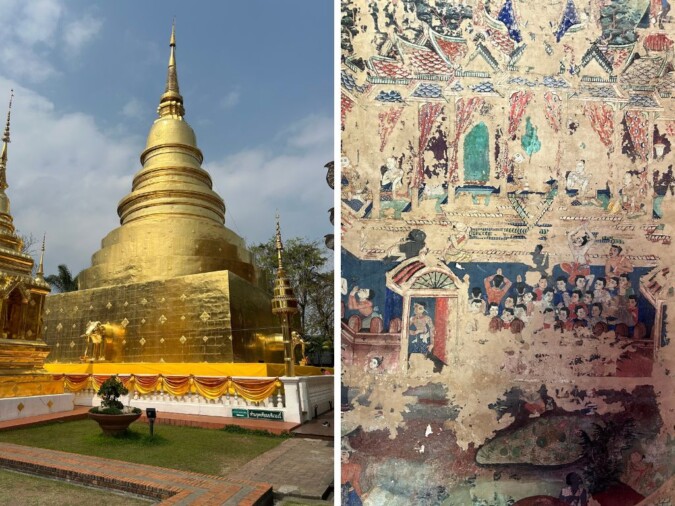
Sitting in the heart of the old city, Wat Phra Singh is Chiang Mai’s most revered royal temple. It’s home to the sacred Phra Buddha Sihing statue (considered the city’s spiritual palladium) and the gilded Viharn Lai Kam chapel, which features intricate lacquer murals and woodwork that you’ll want to spend time with. Founded in 1345 by King Phayu, the complex also includes a beautiful golden chedi and a well-preserved library building.
If you’re visiting during Songkran (April 13–15), the Phra Buddha Sihing is paraded through the city and bathed in scented water by locals; one of the most atmospheric things you’ll witness in Thailand.
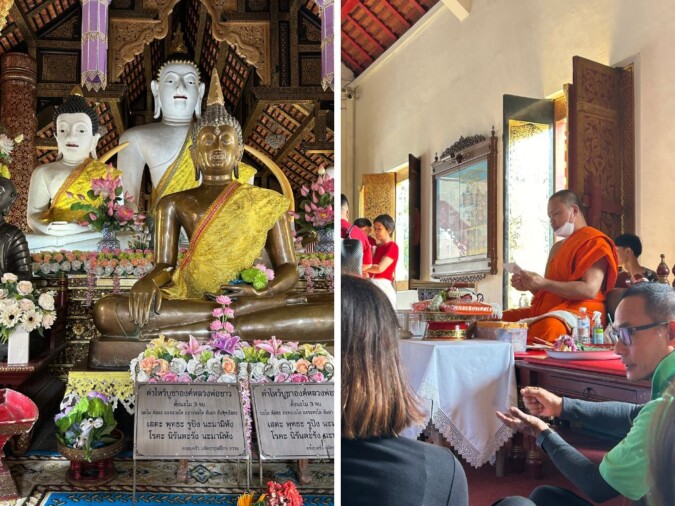
As part of the temple tour, I also got to attend a traditional blessing ceremony, at the end of which a monk tied a white string around my right wrist. As an Asian, it wasn’t entirely unfamiliar but it’s one of those experiences that stays with you regardless of your background. Worth doing at least once.
The tour wraps up at Wat Chedi Luang, after which you’re free to wander. I’d suggest mentally noting any cafes you pass during the tour, then doubling back to one of them afterwards.
Shopping
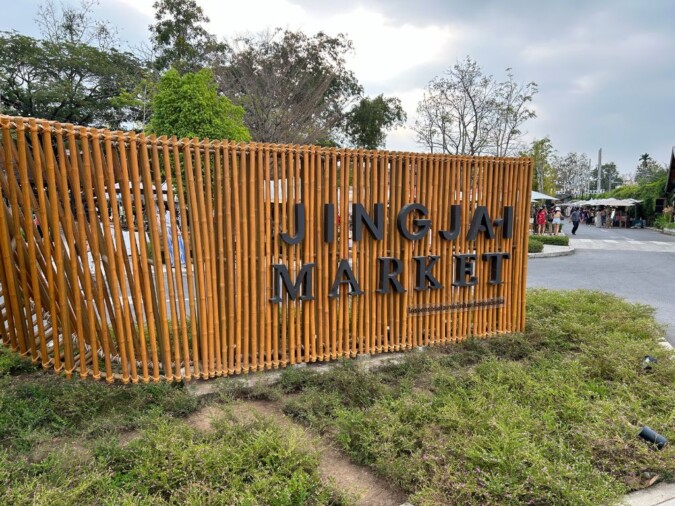
Bangkok still takes the crown when it comes to shopping (Platinum Mall, I see you), but Chiang Mai holds its own with some genuinely great markets. Here are two I’d go back to without hesitation:
Jing Jai Market
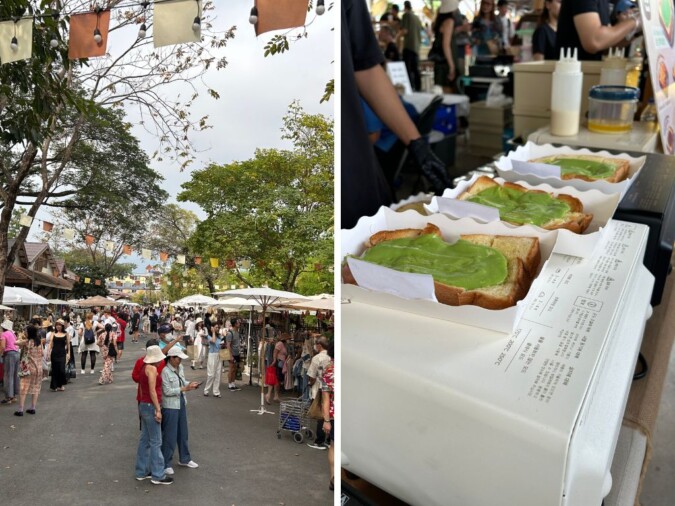
Jing Jai is technically a morning market, but the sweet spot is arriving early, grabbing a coffee, and using it as a base to plan your day. Most stalls open around 8am, and the vibe is relaxed and unhurried.
What I loved about it was the mix of old and new; handcrafted accessories, artisan soaps, perfumes, and all sorts of things you won’t find in a Bangkok mall.
Prices here tend to be cheaper than Bangkok for this kind of stuff, so it’s worth taking your time and having a proper look around.
Getting here is simple; just grab a Grab from your hotel. I’d set aside half a day, grab some lunch while you’re there, and head back after.
Chiang Mai Gate Market
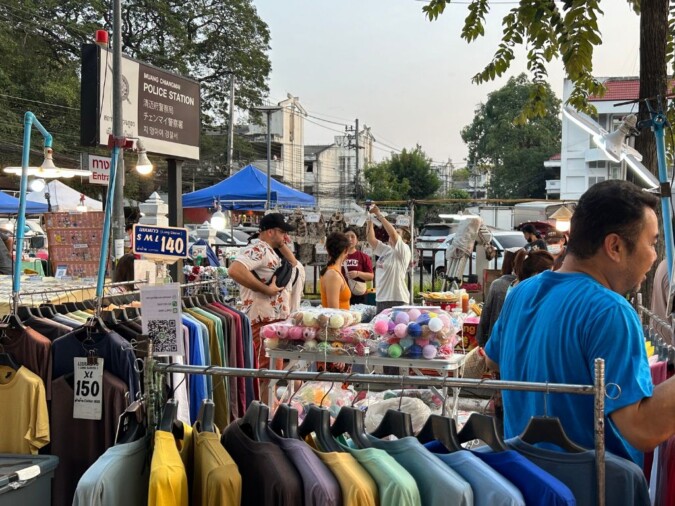
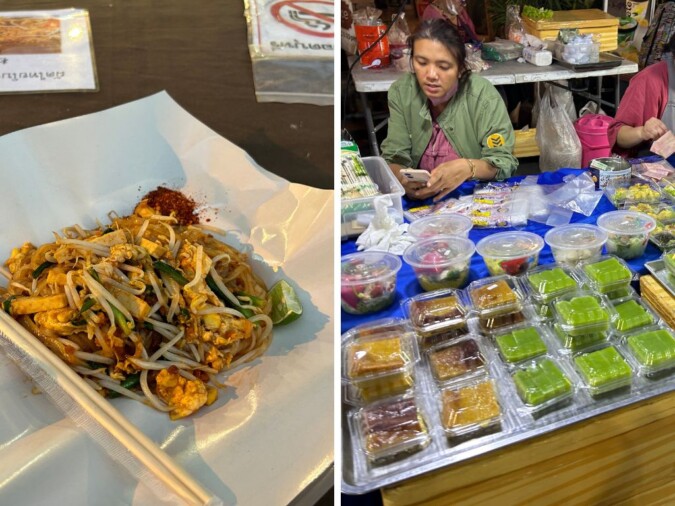
Also known as the weekend night market, this one is enormous, and I mean that genuinely.
You could spend two full evenings here and still not cover everything, though after a while the stalls do start to blur into one another. That said, I found some genuinely unique things here, including a wooden snakes and ladders set that I’m still proud of.
There’s also plenty of street food, and a few corner stalls with actual seating, I had a really solid Pad Thai at one of them.
Waroros Market
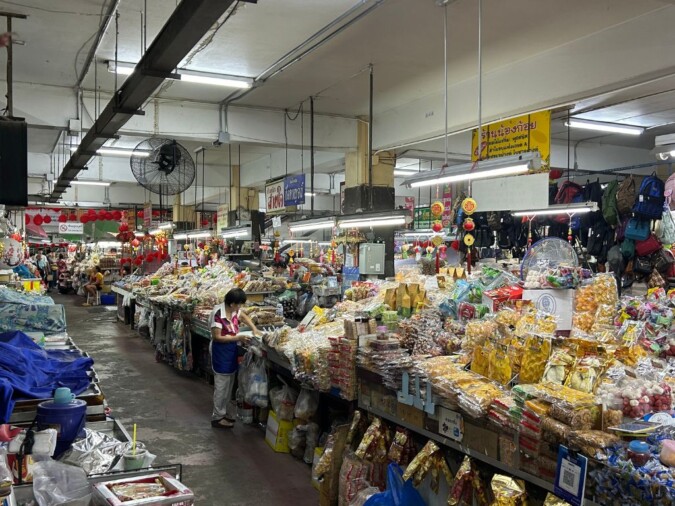
Both times I’ve been to Chiang Mai, Waroros has made it onto the list, and I’d keep putting it there. It sits a little off the usual tourist trail, which is exactly why it’s worth going. It’s a sizeable market and stays open into the evening, though the afternoon is probably the best time to visit. Expect a full sensory experience: traditional local ingredients, snacks, and delicacies line the stalls, including fried maggots and silkworms (a genuine local favourite, and no, I did not partake). What I always come back for are the Thai sticky glutinous rice cakes, which come in a range of flavours. If you’re a fan of dodol, think of this as the Thai equivalent. You’ll want to grab a few.
Final Thoughts
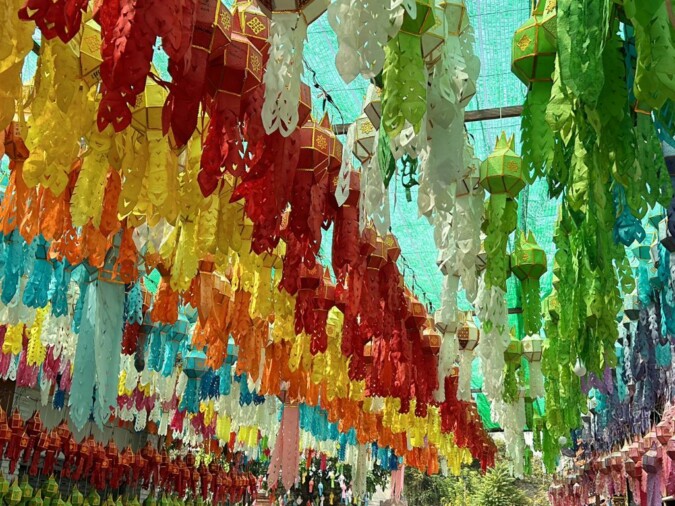
Chiang Mai is one of those cities that doesn’t demand anything from you. It doesn’t rush you, it doesn’t overwhelm you, and it doesn’t try too hard to impress. It just exists; warm, unhurried, and full of things worth slowing down for. Whether you’re cafe hopping through Nimman, wandering the old city walls at dusk, or sitting quietly inside a centuries-old temple, there’s a kind of ease to this place that’s genuinely hard to find elsewhere.
If you haven’t been, go. And if you have, you already know you’ll be back.