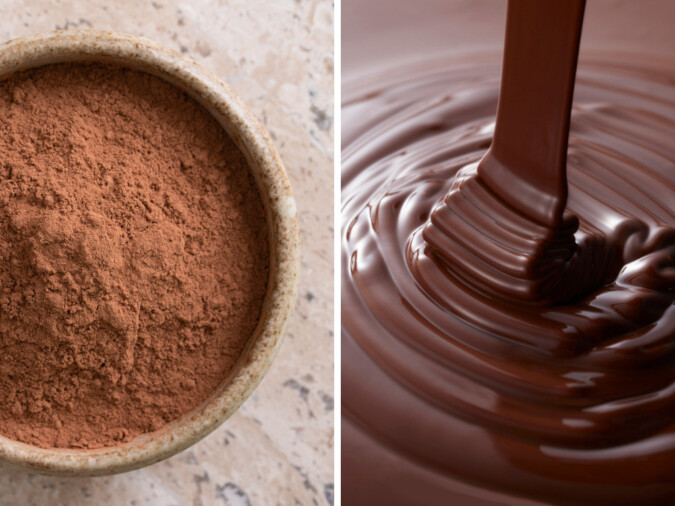
Cocoa Powder vs Chocolate: What’s the Difference?
Last Updated: July 2026
No, you can’t swap one for the other in most recipes. Cocoa powder has 10-12% fat and a sharp, bitter edge; chocolate has 50%+ fat thanks to added cocoa butter, plus sugar and milk. That difference affects how your batter behaves, which is why a recipe written for cocoa powder can go wrong if you substitute melted chocolate.
Here’s a quick breakdown, then the full explanation below.
| Components | Cocoa Powder | Chocolate (70%+ cocoa solids) |
|---|---|---|
| Fat content | 10-12% | 50%+ |
| Flavour | Bitter, acidic | Balanced, sweeter |
| Best for | Dark, rich cakes/cookies | Ganache, ganache-style bakes |
| Substitute for the other? | Not directly — see notes | Not directly — see notes |
What is Cocoa Powder
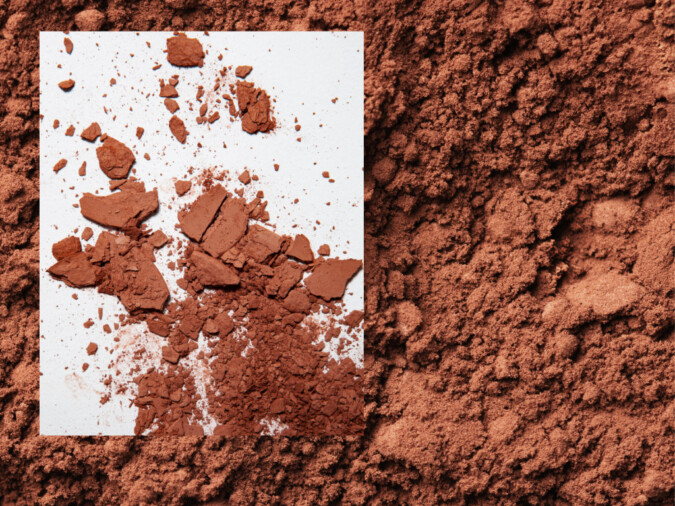
Cocoa powder is the result of grinding cocoa beans from the cocoa tree, or chocolate tree if you will. The seeds (or beans) are extracted from the cocoa fruit, fermented, dried and roasted in a high-heat chamber. These steps help to breakdown the cocoa beans, so that it’s easier to remove their hulls once roasted.
The hulled beans are then further processed to extract the cocoa butter, then ground into a fine powder to produce cocoa. Sounds complicated, no? Fear not, it’s really the cocoa butter and cocoa powder that we’re going to talk about here.
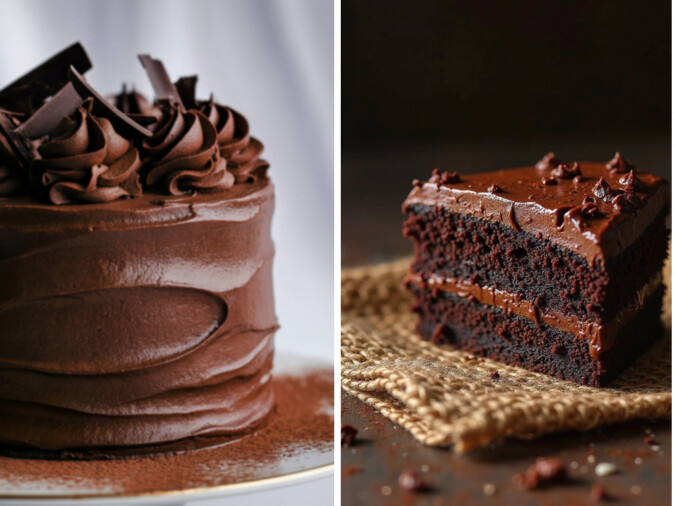
Here’s a chocolate cake recipe with cocoa powder
Natural Cocoa
The cocoa butter is the main component of bar chocolate, a subject I will touch on in further detail below. This cocoa powder is naturally unsweetened and can be very bitter and quite acidic. The acidity in unprocessed cocoa powder can make cakes and other baked goods quite dry, particularly in recipes that don’t call for baking soda that works with acid. Raw or ‘ natural’ cocoa powder is most commonly available in stores, even Phoon Huat (where I buy most of my baking supplies).
I find that if it’s not labelled, then it’s probably natural cocoa. You can identify natural cocoa by it’s rich, almost reddish brown colour. Natural cocoa also doesn’t dissolve as easily as Dutch-processed cocoa, but I doubt you’ll want to test that theory. Natural cocoa is chock-full of all its natural antioxidant properties.
Dutch-Processed
Dutch-processed cocoa has a more neutral PH level. ‘Dutching’ refers to washing the beans in an alkaline solution before removing the husks. This process helps to balance the chemical composition of cocoa beans, making them less acidic. Dutch-processed cocoa powder has a deeper brown colour as a result and is more soluble in baking. I find that Dutch-processed cocoa powder is better for cakes, as it doesn’t dry the cake out as easily as natural cocoa.
Dark Chocolate (of the bar variety)
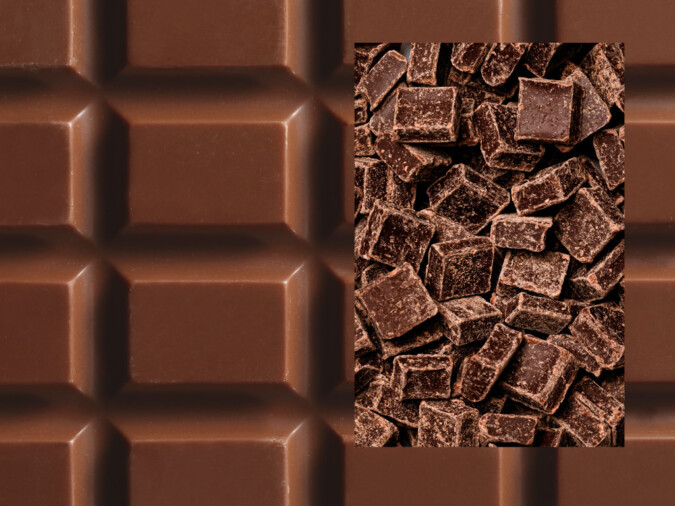
While cocoa powder is the very basic compound produced from the cocoa bean, another, more luscious version of chocolate is the chocolate bar. This is available in the market in many versions, from cooking to directly consumable.
It also has many permutations, such as the percentile of cocoa solids present in a dark chocolate bar, to milk chocolate, sweetened, semi-sweetened and unsweetened.
A chocolate bar is created using the cocoa butter extracted from the cocoa beans before it is processed to become cocoa powder. This cocoa butter is really just natural plant fat and can also be referred to as the eponymous ‘White Chocolate’. Cocoa powder is added to turn it into the dark chocolate we all know and love. The more cocoa powder added, the more darker, richer and bitter the chocolate bar will be. Other elements such as sugar and milk are introduced into the chocolate to make it versatile. This is how a chocolate bar can run the gamut of tooth-achingly sweet to 90% cocoa-solids-bitter.
When Baking…
Generally in baking, we use unsweetened chocolate, with minimum 70% cocoa solids. We tend not to use milk or other types of chocolate because milk and sugar are usually present in cakes and bakes, in one form or another. Using a milk chocolate bar would be akin to using salted butter in your bakes – it will alter the final outcome of the baked product. No, this is not the end of the world but the cake you’re attempting might not taste exactly how you want it to.
To compare both forms of chocolate; cocoa powder is a lot more bitter, rich and healthy compared to chocolate. It’s naturally occurring fat is between 10% to 12%, while chocolate has a fat content of 50% and upwards. Cocoa powder is rich in flavour and antioxidants. A chocolate cake or cookie baked using cocoa powder is naturally dark. Such products also call for more butter and sugar than recipes that utilise a chocolate bar. Because a chocolate bar has so much fat, it reacts in the oven with flour and eggs differently, affecting the overall structure of the final baked good.
Substitute?
Strictly speaking, you cannot substitute chocolate for cocoa, or vice versa. The fat and acid components are very different in both elements, and this can negatively impact your baked product. However, if you are in a pickle, Serious Eats has a formula you can follow.
Most of my chocolate recipes call of cocoa powder, as I find it less finicky in the kitchen. However, I am working on a few recipes that require deep, dark, sensual chocolate bars. I also like to test the boundaries of baking, so you can expect a Cadbury bar in there somewhere. I hope you found this write-up helpful!
We love chocolate cakes as much as you do. Here’s a collection of all our chocolate cake recipes.